
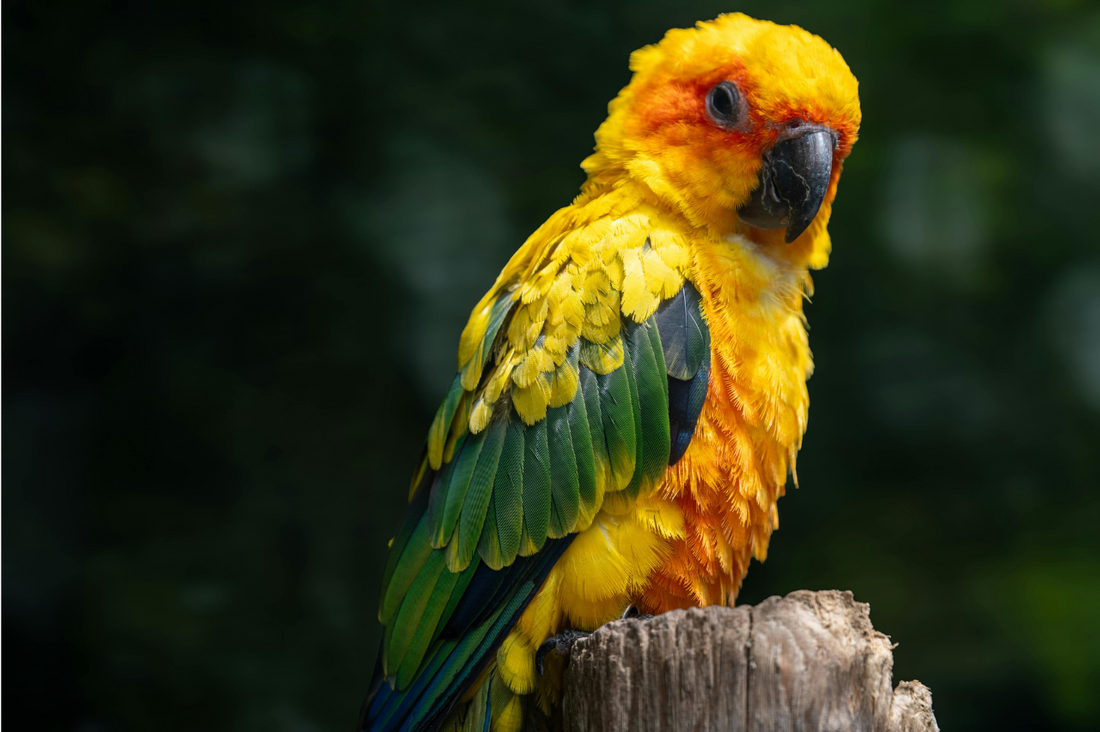
How to choose food for a parrot
When choosing food for your parrot, it is very important to consider the needs and natural diet of the species you have, because different species have very different eating habits, so there is no single mixture that is suitable for all parrots.
Food for parrots. How to choose?
We invite you to familiarize yourself with a guide to parrot nutrition.
1. High-quality grain mixtures.
Parrots need a varied and balanced diet with millet, oats, various seeds and other small grains. When buying a mixture, it is necessary to pay attention not only to the composition of the mixture, but also to its appearance and smell. The food should not be damp or dusty. It is important to choose a mixture specifically for your parrot species, for example: smaller species (budgies, nymphs, cockatiels, indehiscent) are suitable for smaller seeds, while larger species (Arums, Jaco, Cockatoos) can include larger grains and nuts in their diet. In addition, it is worth checking the manufacturer of the food, a reliable brand will indicate not only the servings of ingredients, but will also ensure that your bird receives the right amount of minerals and vitamins.
2. Fresh fruits and vegetables.
It is understood that grains alone are not enough for a parrot to have a balanced diet, it is necessary to include fruits and vegetables in it, thanks to which your parrot will receive even more natural vitamins and fibers. Here is a list of basic fruits and vegetables that are suitable for diversifying the diet of parrots: Chopped carrots, apples, pears, broccoli, zucchini, spinach, arugula . When providing fruits and vegetables, it is important to ensure that they are raw and fresh, because some of the nutrients are lost when they are already processed.
You should not abuse sweet fruits such as grapes, bananas, or mangoes , because these fruits are rich in sugar, and excess sugar can cause not only overweight, but also liver problems.
Avoid avocado, chocolate, onions, garlic and caffeine-containing products.
3. Protein is important, but in moderation.
In the natural environment, parrots get protein from various seeds, nuts, insect larvae or young shoots, but at home you have to ensure this need. Pieces of boiled chopped eggs, sprouted seeds or protein granules specially designed for birds will not only maintain healthy muscles and strengthen immunity, but also contribute to the growth of beautifully shiny feathers. Although protein is very important, it is even more important not to overdo it. It is recommended to offer protein food to your parrot only 2-3 times a week.
What happens if a parrot gets more protein than recommended?
Feeding parrots too much protein too often and in too large a quantity over a long period of time can lead to kidney problems and health problems, and it can also damage their feathers.
4. Clean water and minerals.
As with any animal, it is very important for parrots to always have constant access to fresh and clean water. You can use water bowls or water jars (at home, a washed jar lid will work perfectly). The water jar must not only be filled, but also thoroughly washed, because bacteria that can harm the bird's health multiply rapidly in a humid environment. To maintain proper cleanliness, it is recommended to use a separate sponge or brush intended only for cleaning the jar. It is also no less important that your feathered friend receives minerals. To obtain calcium, use a mineral stone , which will not only strengthen the parrot's bones and feathers, but also allow you to conveniently sharpen its beak so that it does not develop any deformations while flying.
5. A complete diet means a healthy and happy parrot.
By providing your parrot with the right complete food, you will soon notice that your parrot's feathers are becoming more shiny, and it feels good, is active, well-fed and happy. Properly balanced nutrition is the key to a long and happy life for your parrot.
You may also like: How to care for a parrot

